Commercial Fire Restoration in New England: What Property Owners and Institutions Need to Know
Walker Development recently completed a 50,000 SF commercial fire restoration for Oakley Country Club in under one year. Here is what the process actually looks like.
Fire restoration is not a renovation. For commercial property owners, country clubs, universities, and institutions across New England, it requires a fundamentally different mindset, a different process, and a contractor with a different kind of experience.
What Commercial Fire Restoration Actually Involves
Before a single new wall goes up, the work begins with understanding: what was lost; what was compromised; and what can be saved. Structural assessments, hazardous material evaluations, and system-by-system audits have to happen before scope can even be defined. The building has to be understood all over again, this time through the lens of damage, not design.
It is detailed, methodical work that cannot be rushed, even when everyone involved wants to move fast.
And they always want to move fast. That urgency is real and it is valid. For a commercial property, a private club, or an institution, every day the doors are closed is a day that matters, financially, operationally, and for the people who depend on that space. The best commercial fire restoration projects are built around that reality from day one.
Why Phased Construction Is Critical After a Fire
A well-structured phased approach to fire restoration separates what needs to happen immediately from what can be sequenced over time.
Phase one focuses on recovery: restoring core operations, reopening to members, clients, employees, or students, and reestablishing normalcy as quickly as responsibly possible. Phase two delivers the full rebuild: comprehensive reconstruction, system replacement, and the opportunity to not just restore what existed but improve upon it.
Done right, phased commercial fire restoration gives ownership something rare in a crisis: a plan they can trust and a timeline they can communicate.
The Hidden Complexity of Fire Damage Reconstruction
The most challenging part of commercial fire restoration lives in the coordination. Fire damage rarely follows a clean boundary. Affected systems — electrical, mechanical, plumbing, structural — overlap and intersect in ways that require every trade to work in sequence without losing momentum.
Add in insurance documentation requirements, code compliance for rebuilt systems, and the pressure of an audience watching the recovery closely (members, students, tenants, or the public) and the demands on a New England construction team become significant.
What separates a smooth fire restoration from a painful one is experience, resources, and the ability to make clear decisions under pressure — early, completely, and without passing the problem down the line.
Oakley Country Club Fire Restoration in Watertown, Massachusetts
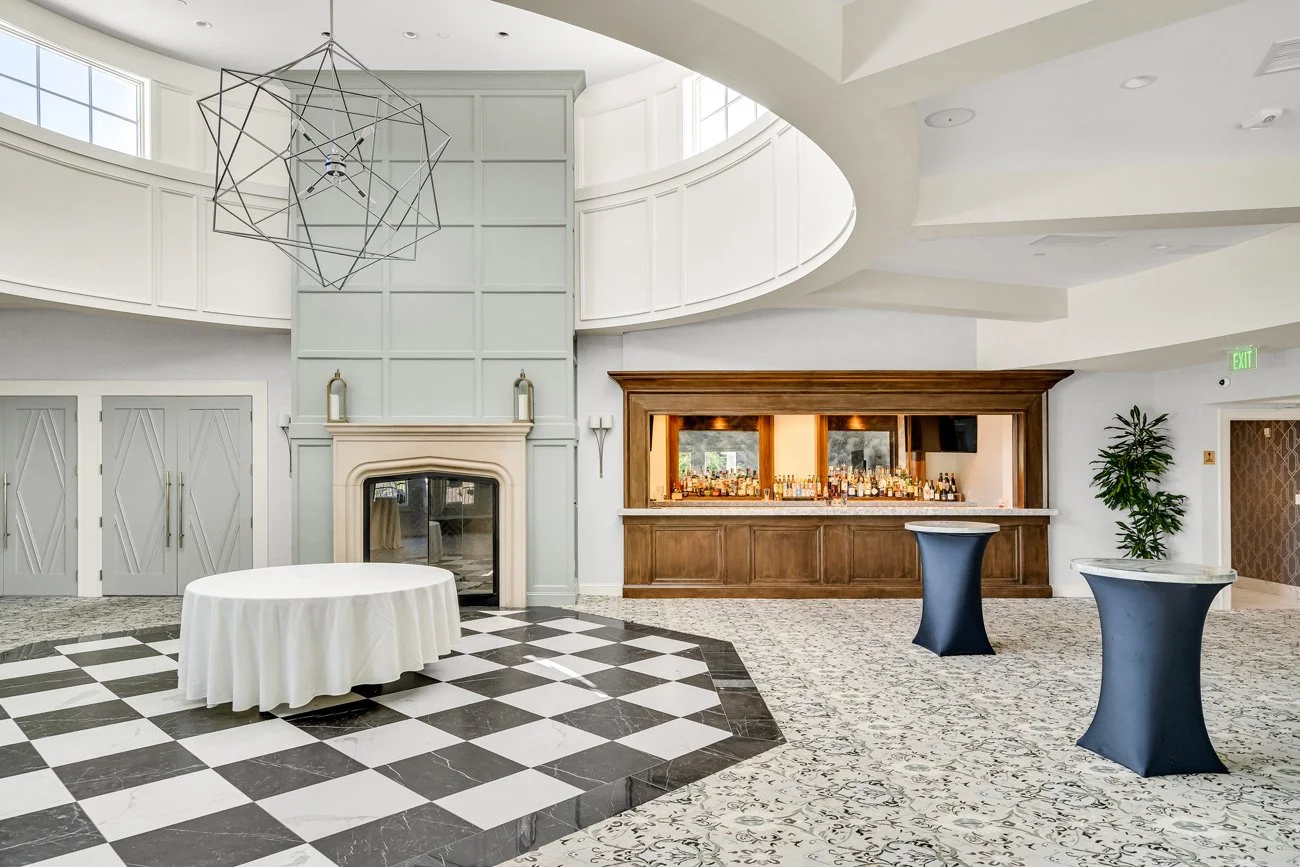
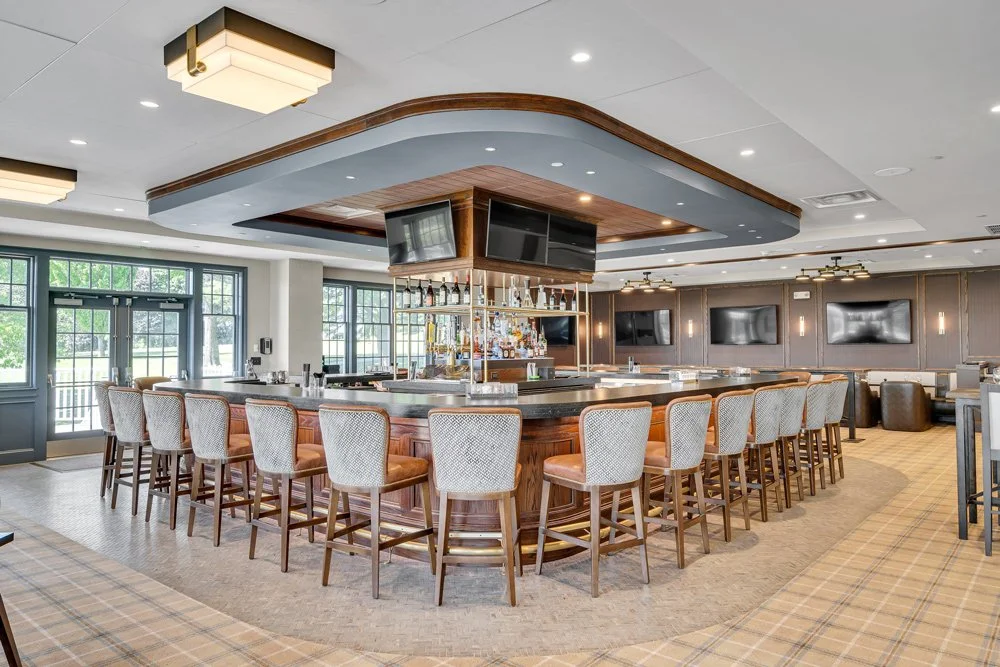
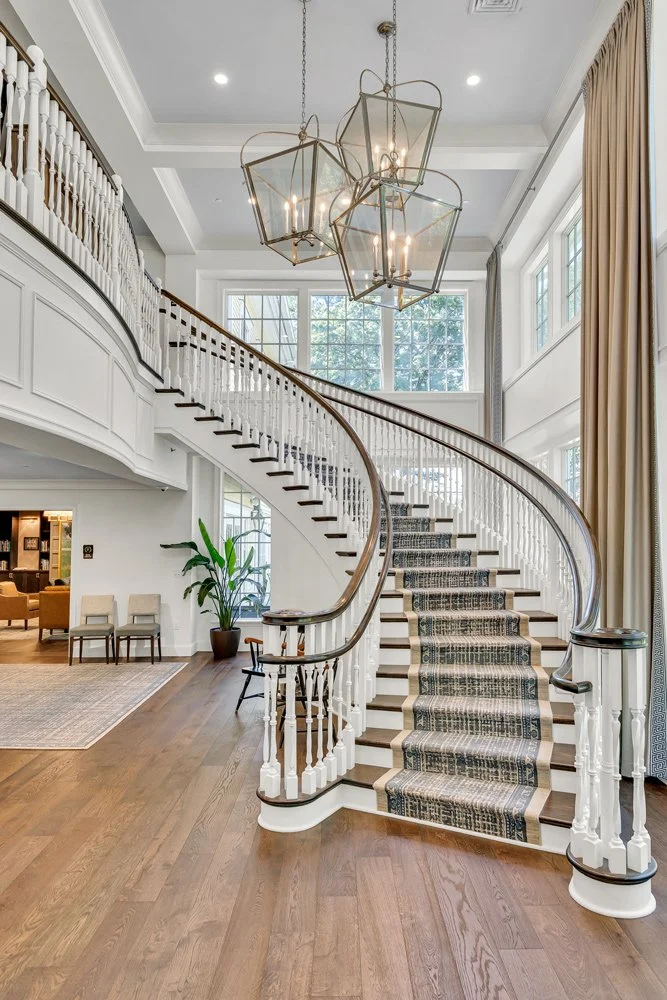
When Oakley Country Club in Watertown, MA experienced a fire in December 2024, Walker Development was brought in to manage the full restoration and rebuild. At nearly 50,000 SF, the project required immediate action to restore club operations while planning a comprehensive rebuild that would return the facility to full function and elevate it beyond what existed before the fire.
The project was delivered in under one year.
For a historic private club with an active membership depending on the space, speed and precision were equally critical. Phased construction made both possible.
Is Your Property Prepared?
If your commercial property, institution, or private club has been impacted by fire or if you want to understand what a professional fire restoration process looks like before you ever need it, Walker Development is happy to have that conversation.
See the full Oakley Country Club fire restoration project at walker-dev.com
#FireRestoration #CommercialConstruction #WalkerDevelopment #PhasedConstruction #BuildingRestoration #ConstructionManagement #NewEnglandContractor #CommercialRenovation #BostonContractor #MassachusettsConstruction